Future Trends of Salesforce for Ecommerce in the Digital Era
4 min read
May 07, 2025
In today's fast-paced digital economy, Salesforce for Ecommerce is reshaping how brands connect with consumers, optimize operations, and drive revenue growth. As ecommerce continues to surge worldwide, understanding the evolving role of Salesforce in this space has become essential for businesses aiming to stay ahead of the competition.
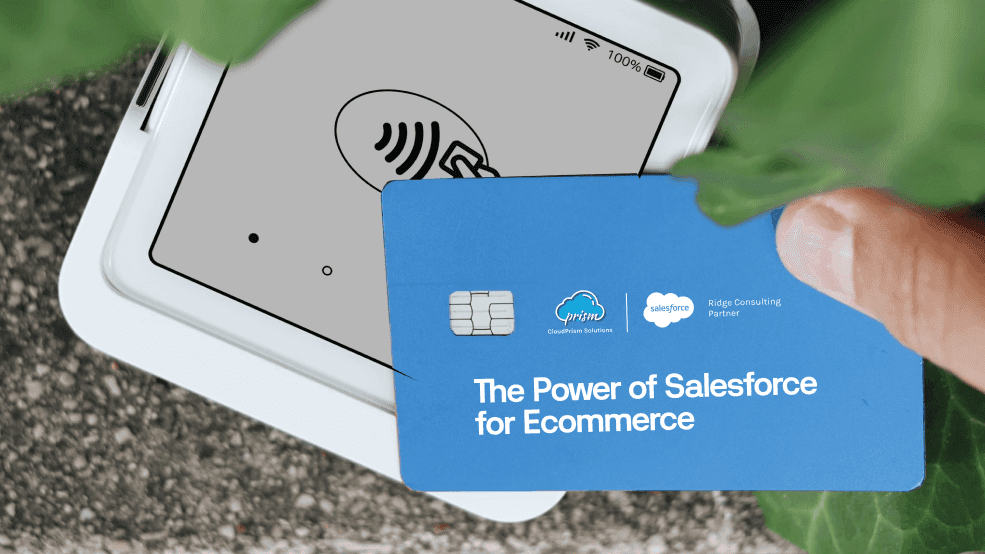
The Power of Salesforce for Ecommerce
Salesforce for Ecommerce has emerged as a game-changer, offering businesses the tools to deliver personalized shopping experiences, streamline backend operations, and leverage data-driven insights. Within the first 100 characters of any ecommerce strategy discussion today, Salesforce for Ecommerce must be included, owing to its growing significance.
Salesforce Commerce Cloud has been pivotal in redefining the online retail landscape. Brands now leverage it not just for website management but for crafting end-to-end customer journeys. From seamless omnichannel experiences to AI-powered product recommendations, Salesforce empowers businesses to meet and exceed consumer expectations.
AI and Personalization: The Future Is Intelligent
Artificial Intelligence (AI) is transforming the ecommerce industry, and Salesforce is at the forefront of this change. Through Salesforce Einstein, companies can deliver hyper-personalized experiences based on customer behavior, preferences, and purchase history. The future will see an even deeper integration of AI tools within Salesforce for Ecommerce, helping brands predict trends, automate customer interactions, and personalize offerings at an unprecedented scale.
Omnichannel Experience: Seamless Customer Journeys
Customers today expect a unified experience across all touchpoints—whether they shop online, on mobile, or in-store. Salesforce for Ecommerce supports this omnichannel approach by synchronizing data across platforms, ensuring that customers enjoy a consistent and personalized journey. Future trends indicate that businesses will increasingly leverage Salesforce’s capabilities to bridge the gap between digital and physical retail environments, making seamless customer experiences the norm.
Data-Driven Insights: Smarter Decision-Making
In the digital era, data is king. Salesforce for Ecommerce offers powerful analytics tools that turn raw data into actionable insights. With advanced dashboards, predictive analytics, and real-time reporting, businesses can anticipate market demands, optimize inventory management, and personalize marketing strategies. Going forward, data-driven decision-making will be the backbone of successful ecommerce operations.
Mobile Commerce: Optimized On-the-Go Experiences
With mobile devices accounting for a significant share of ecommerce traffic, Salesforce is making mobile-first strategies more accessible. Salesforce for Ecommerce enables businesses to design mobile-optimized websites, deploy responsive campaigns, and offer seamless checkout experiences on smartphones and tablets. Future innovations will focus even more on creating frictionless mobile journeys that cater to the evolving shopping habits of digital consumers.
Integration with Emerging Technologies
Another exciting trend is the integration of emerging technologies like Augmented Reality (AR), Virtual Reality (VR), and the Internet of Things (IoT) with Salesforce for Ecommerce. These integrations are set to enhance customer engagement by offering immersive shopping experiences and smarter, connected services. Retailers utilizing Salesforce will be better positioned to adopt these technologies and stay relevant in the digital marketplace.
Sustainability and Ethical Commerce
Consumers are becoming more conscious of environmental and ethical practices. Salesforce for Ecommerce is increasingly supporting sustainable initiatives by enabling transparent supply chains, promoting eco-friendly products, and ensuring compliance with global sustainability standards. The future will witness an even stronger alignment between ecommerce strategies and responsible business practices.
Subscription-Based Models and Recurring Revenue
Subscription-based services are on the rise, and Salesforce for Ecommerce is adapting to this shift. With functionalities designed to manage subscriptions, renewals, and billing cycles, businesses can create predictable revenue streams while enhancing customer loyalty. In the coming years, expect more ecommerce companies to leverage Salesforce's robust CRM and commerce capabilities to support subscription-based growth models.
Enhanced B2B Ecommerce Solutions
While Salesforce is often associated with B2C commerce, its B2B ecommerce capabilities are equally powerful. Businesses can create self-service portals, automate ordering processes, and manage complex pricing structures seamlessly. As B2B buyers demand experiences similar to B2C consumers, Salesforce for Ecommerce will continue to expand its tools and integrations to cater to this growing need.
The Road Ahead: Preparing for the Future
The future of ecommerce is dynamic, customer-centric, and technology-driven. Salesforce for Ecommerce is not just a platform; it’s a strategic enabler that allows brands to innovate continuously. Companies investing in Salesforce solutions today are positioning themselves for a future where agility, personalization, and customer experience will define success.
Conclusion
In conclusion, embracing Salesforce for Ecommerce is no longer optional; it is imperative. With continuous innovations in AI, omnichannel integrations, data analytics, mobile commerce, and emerging technologies, Salesforce is set to lead the ecommerce revolution in the digital era. Organizations that harness its full potential will not only survive but thrive in the years to come.